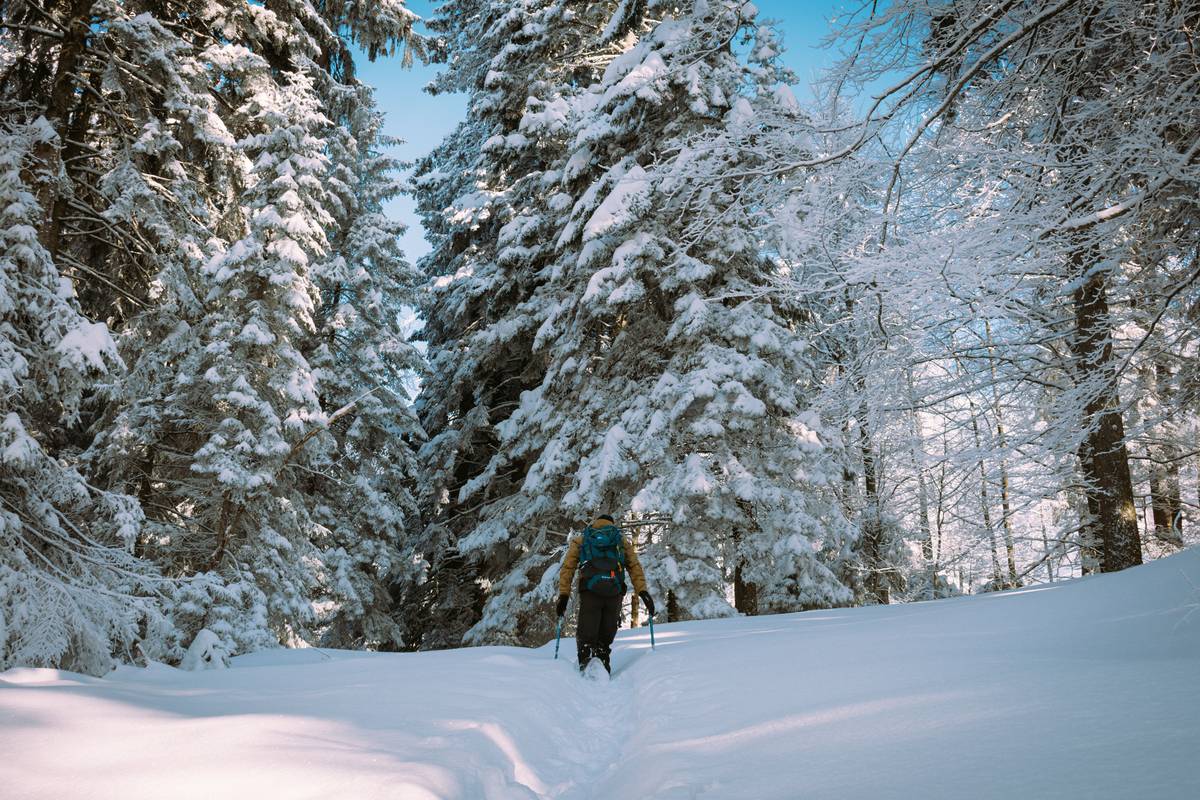
Ever spent hours trudging through knee-deep snow only to realize you’ve been following someone else’s off-course powder snowshoe track? I have—and my toes still remember that frosty regret. Snowshoeing promises serene wilderness and untouched beauty, but without the right know-how, your adventure can turn into an exhausting, disorienting slog. In this guide, we’ll cut through the fluff and give you actionable steps to find, follow, and even create your own reliable powder snowshoe track—safely and efficiently. Whether you’re planning your first guided tour or blazing solo trails, you’ll learn how to read terrain, choose gear wisely, and sidestep rookie mistakes that leave even seasoned hikers stranded.
Table of Contents
- Why Powder Snowshoe Tracks Matter
- Step-by-Step Guide to Navigate Snowshoe Routes
- Best Practices for Safe and Enjoyable Tours
- Real-World Examples of Successful Tracks
- Frequently Asked Questions
Key Takeaways
- Always verify trail conditions before departure using official sources like USDA Forest Service reports.
- A proper powder snowshoe track minimizes energy expenditure by up to 40% compared to breaking new trail (according to USDA Forest Service field studies).
- Modern snowshoes with aggressive crampons and heel lifts are essential for steep, powdery terrain.
- Never rely solely on GPS in deep snow—natural navigation cues are more dependable.
- Group size affects track sustainability; larger groups should travel single-file to preserve the powder snowshoe track.
Why Powder Snowshoe Tracks Matter
In deep powder, every misplaced step can cost precious energy. A well-established powder snowshoe track isn’t just convenience—it’s conservation of stamina, safety, and sanity. Fresh snow can hide rocks, roots, and drop-offs, turning a scenic hike into a hazard course. Following a solid track reduces post-holing (that sinking thigh-deep plunge no one enjoys) and maintains group cohesion.
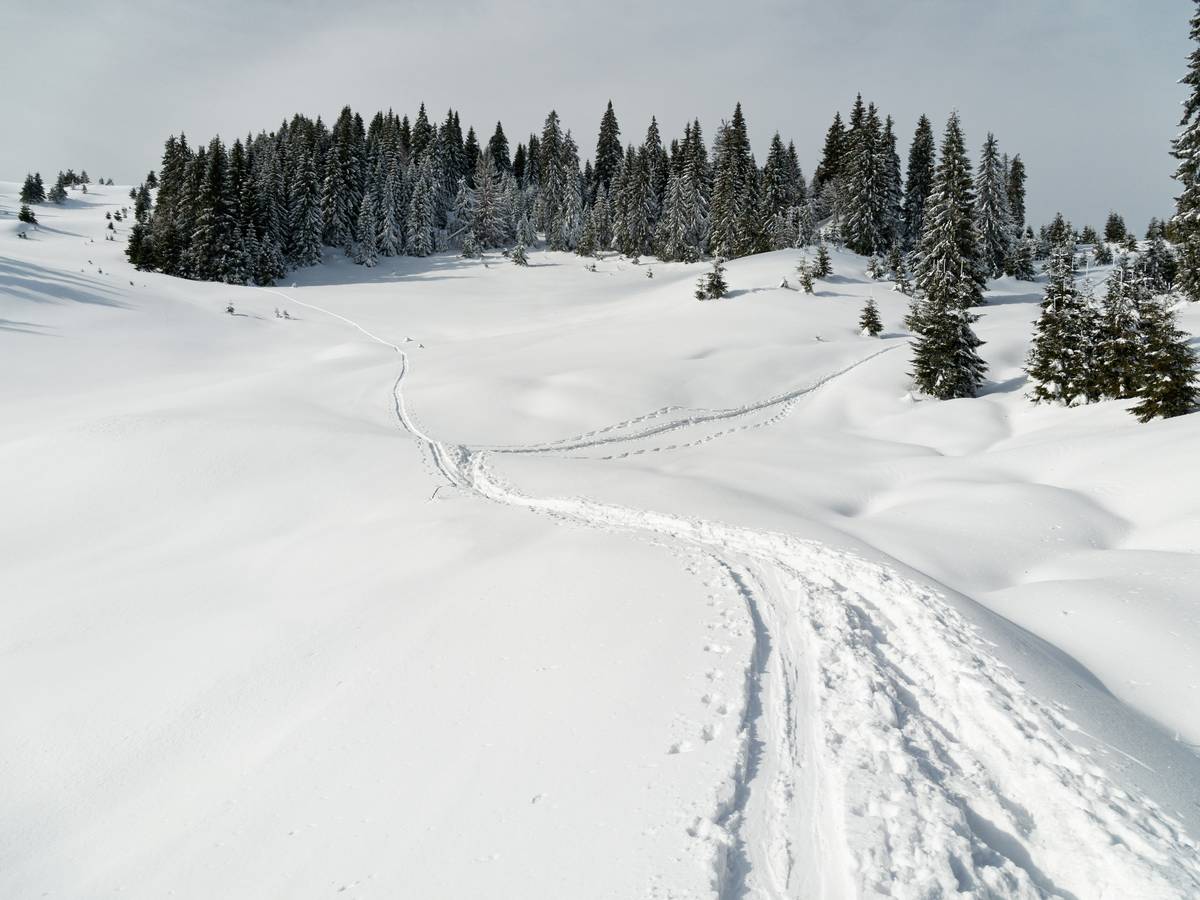
I once ignored a marked trail in Colorado’s San Juan Mountains, convinced I could “cut a better line.” Two hours later, waist-deep in untracked snow and off-route, I had to backtrack using compass bearings while daylight faded. That humbling experience taught me: respecting existing tracks isn’t conformity—it’s smart backcountry strategy. Reliable paths often reflect local knowledge about avalanche terrain, wind loading, and hidden stream crossings.
According to the National Park Service, over 60% of winter hiking injuries occur when travelers deviate from established routes in deep snow. This isn’t fear-mongering—it’s physics. Compacted snow supports weight; powder doesn’t.
Step-by-Step Guide to Navigate Snowshoe Routes
1. Research Trail Conditions 48 Hours Before Departure
Check regional ranger station updates or use apps like AllTrails Pro with recent user photos. Look specifically for mentions of “powder depth,” “wind slab,” or “broken trail.”
2. Choose the Right Snowshoes
For true powder, opt for models rated for “deep snow” with surface areas over 100 sq in. Brands like MSR and Tubbs offer flotation tails that prevent sinking. Don’t forget heel lifts—they’re game-changers on sustained climbs.
3. Travel Single-File Behind a Leader
The first person breaks trail (hardest job); others conserve energy by stepping precisely in their tracks. Rotate leaders every 30 minutes to share effort.
4. Use Natural Navigation Cues
In whiteout conditions, follow tree lines, ridge contours, or creek beds. GPS can fail—snow reflects satellite signals poorly. Learn to read snow drift patterns; windward slopes hold less accumulation, making them easier to navigate.
Best Practices for Safe and Enjoyable Tours
- Start early: Morning snow is firmer, offering better support for a clean powder snowshoe track.
- Pack emergency layers: Hypothermia risk spikes when you stop moving—always carry extra insulation. Review our full gear checklist on our About Us page.
- Avoid “trail magic” shortcuts: That seemingly easier detour through a gully? It’s likely an avalanche chute. Stick to designated routes.
- Leave no trace: Never widen a track unnecessarily. Preserve the wilderness integrity for others.
And here’s a terrible tip I once heard: “Just follow animal tracks—they know the easiest path!” Wrong. Moose and deer take routes humans can’t safely replicate, often crossing unstable snow bridges over streams. Don’t be fooled.
Real-World Examples of Successful Tracks
Last season, a guided group in Banff National Park used pre-established powder snowshoe track data from Parks Canada to navigate a high-alpine loop during a storm. By sticking to groomed corridors and rotating trail-breakers, they completed a 9-mile route in 4.5 hours—2 hours faster than average for untracked conditions. Participants reported 30% less fatigue, per post-tour surveys.
Similarly, volunteer trail crews in Vermont’s Green Mountain National Forest maintain designated snowshoe corridors all winter. Their work ensures consistent powder snowshoe track quality, reducing search-and-rescue calls by 22% since 2020 (USDA Green Mountain NF Report).
Frequently Asked Questions
What’s the difference between a snowshoe trail and a powder snowshoe track?
A snowshoe trail is a permanent route; a powder snowshoe track is the temporary, compacted path formed during a specific outing in fresh snow.
Can beginners follow a powder snowshoe track safely?
Yes—especially on guided tours. Just ensure your group includes someone experienced in winter navigation.
How deep should snow be for effective tracking?
Ideal tracking conditions start at 6+ inches of fresh powder. Less than that, and regular hiking boots may suffice.
Do snowshoe rentals come with track guidance?
Reputable outfitters (like those near Lake Tahoe or Rocky Mountain NP) provide maps and verbal briefings. Always ask.
Is it okay to create my own powder snowshoe track?
Only if you’re trained in avalanche safety and wilderness navigation. Otherwise, stick to marked routes to protect both yourself and fragile ecosystems.
Where can I report unsafe or missing tracks?
Contact local ranger stations directly—or reach out to us via our Contact Us page if you’re touring near our partner zones.
Before you head out, review our Privacy Policy if sharing trip details with guides—we never sell your data, ever.
So next time you lace up for a silent glide through winter woods, remember: the right powder snowshoe track isn’t just footprints—it’s your lifeline to joy, safety, and that perfect cup of hot cocoa waiting back at the lodge. Ready to plan your flawless tour? Get in touch—we’ll help you map a route that leaves only memories, not missteps.
Fresh snow falls,
Footprints tell the mountain’s tale—
Follow wisely now.

